Ready to quit?
Download the CraveLess.Me app and start your journey today.


Secondhand Smoke: How to Protect Your Family and Friends from the Hidden Danger
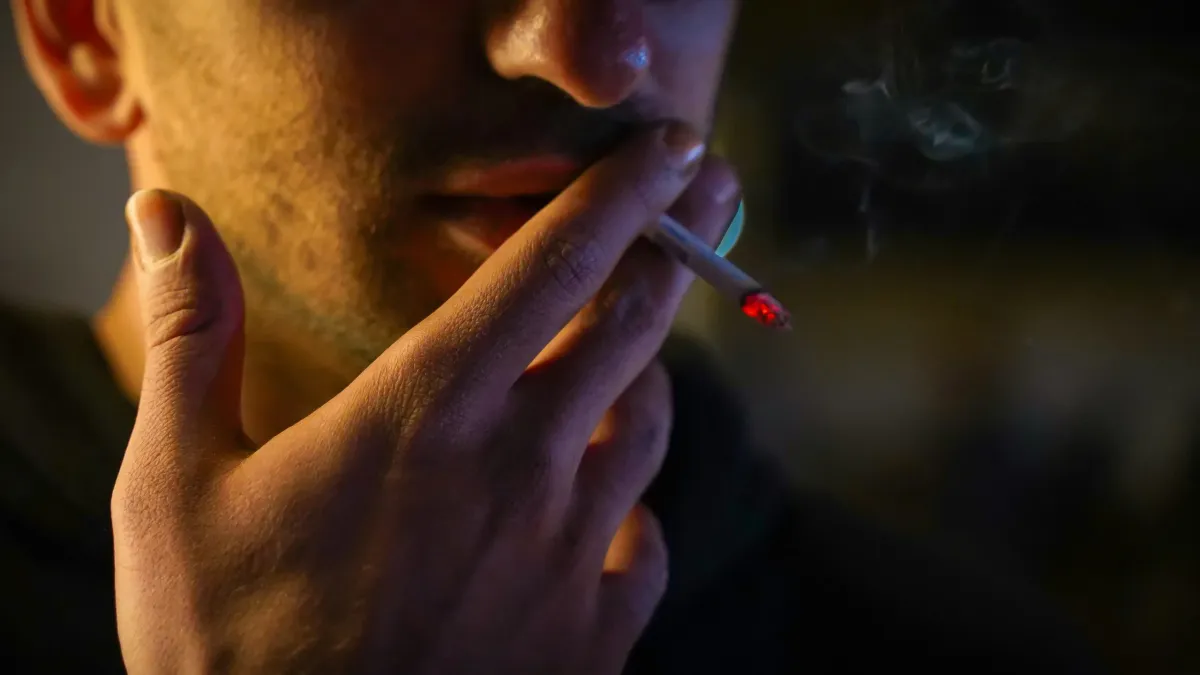
You can't see it, but it's there. Secondhand smoke—the smoke exhaled by a smoker or that drifts from the burning end of a cigarette, cigar, or pipe—is a serious, invisible health threat. It contains over 7,000 chemicals, hundreds of which are toxic, and at least 70 are known to cause cancer. While smokers choose to take on these risks, the people around them—their families, friends, and even pets—have no choice. This guide explains the real dangers and gives you clear, actionable steps to protect the people you care about most.
What Are the Proven Health Risks of Secondhand Smoke?
Exposure isn't just unpleasant; it's medically dangerous. The health effects are well-documented and can be severe, especially for vulnerable groups.
Risks for Babies and Children
Children's bodies are still developing, making them especially susceptible. Regular exposure significantly increases their risk of:
- Severe Respiratory Infections: More frequent and worse cases of bronchitis and pneumonia.
- Asthma: Triggering new asthma cases and worsening symptoms in children who already have it.
- Ear Infections: A leading cause of painful middle-ear infections (otitis media).
- Sudden Infant Death Syndrome (SIDS): Babies exposed to secondhand smoke are at a higher risk of SIDS.
Risks for Non-Smoking Adults
For adults who don't smoke, living or working in a smoky environment has serious long-term consequences:
- Heart Disease: Exposure increases the risk of coronary heart disease by 25–30%.
- Stroke: Risk of stroke is increased by 20–30%.
- Lung Cancer: Non-smokers exposed at home or work increase their lung cancer risk by 20–30%.
Even brief exposure can cause immediate problems like eye irritation, headaches, coughing, and worsened allergies.
How to Create a Smoke-Free Zone for Your Family
The most effective protection is eliminating exposure. Here’s a practical, tiered approach.
1. Make Your Home and Car 100% Smoke-Free
This is the single most important rule. Smoke lingers in fabrics, carpets, and car upholstery for hours, creating "thirdhand smoke." Simply opening a window or smoking in another room is not enough. Establish a firm policy: no smoking inside the house or car, ever.
2. If Smoking Must Happen, Do It Safely Outside
If a household member isn't ready to quit, designate a specific outdoor smoking spot. It should be:
- Far from doors, windows, and air intakes.
- Not on a porch or patio where people gather.
- A place where smokers change jackets or wash hands before coming back inside to avoid carrying residue.
3. Advocate in Shared Spaces
Politely ask visitors and family to respect your smoke-free home. Choose smoke-free restaurants, hotels, and rental cars. If you live in an apartment, discuss building-wide smoke-free policies with your landlord or condo board.
The Ultimate Protection: Supporting a Smoker to Quit
Quitting smoking ends the danger of secondhand smoke completely. It’s a challenging journey, but support makes success more likely.
Effective Ways to Help Someone Quit
- Offer Encouragement, Not Judgment: Frame it as a health goal for the whole family.
- Connect Them with Proven Resources: Suggest calling 1-800-QUIT-NOW, visiting Smokefree.gov, or using FDA-approved cessation apps.
- Understand the Tools: Nicotine replacement therapy (patches, gum, lozenges), prescription medications (like Chantix or Zyban), and counseling are all evidence-based methods that increase success rates.
Remember, quitting often takes multiple attempts. Relapse is part of the process, not a failure.
The Immediate Benefits of a Smoke-Free Environment
The payoff for protecting your loved ones is rapid and profound.
- For Your Family: Reduced risk of asthma attacks, ear infections, and respiratory illnesses. Peace of mind knowing your home is a safe haven.
- For the Smoker Who Quits: Within 20 minutes, heart rate drops. Within weeks, lung function improves. Long-term, the risks of heart disease, stroke, and cancer plummet.
- For Your Home: Eliminates stale odors, reduces fire risk, and removes toxic residue from surfaces.
Key Takeaways: Your Action Plan
Secondhand smoke is a preventable hazard. You have the power to stop it.
- Acknowledge the Risk: Understand that no level of exposure is safe.
- Enforce a Smoke-Free Home & Car: This is non-negotiable for health.
- Support the Quit Journey: Encourage and help access resources if a loved one is ready to stop smoking.
- Lead by Example: Your commitment to a smoke-free environment protects everyone in your circle.
By taking these steps, you're not just avoiding a danger—you're actively building a healthier, longer future for the people you love.
Frequently Asked Questions About Secondhand Smoke
Does opening a window or using a fan get rid of secondhand smoke?
No. While ventilation helps with odor, it does not remove the toxic particles and gases. Smoke chemicals cling to surfaces (thirdhand smoke) and can be inhaled or ingested long after the smoke clears.
Is it safe to smoke in another room or when children aren't home?
No. Smoke travels through air vents, under doors, and through cracks. The harmful residue settles on furniture, toys, and carpets, where children can be exposed to it later.
What is thirdhand smoke?
Thirdhand smoke is the toxic residue left on surfaces (clothes, hair, furniture, car interiors) after the visible smoke is gone. People, especially crawling babies and toddlers, can be exposed by touching these surfaces and then putting their hands in their mouths.
Can air purifiers protect my family from secondhand smoke?
Most standard air purifiers are not effective at removing all the harmful gases and ultrafine particles in tobacco smoke. The only guaranteed protection is eliminating smoking indoors entirely.
CraveLess.Me Team
Empowering individuals to reclaim their health and freedom from nicotine through science-backed strategies, innovative technology, and compassionate support.